A closer look: Exploring the larger-than-life world of the male Fridas
April 28, 2026
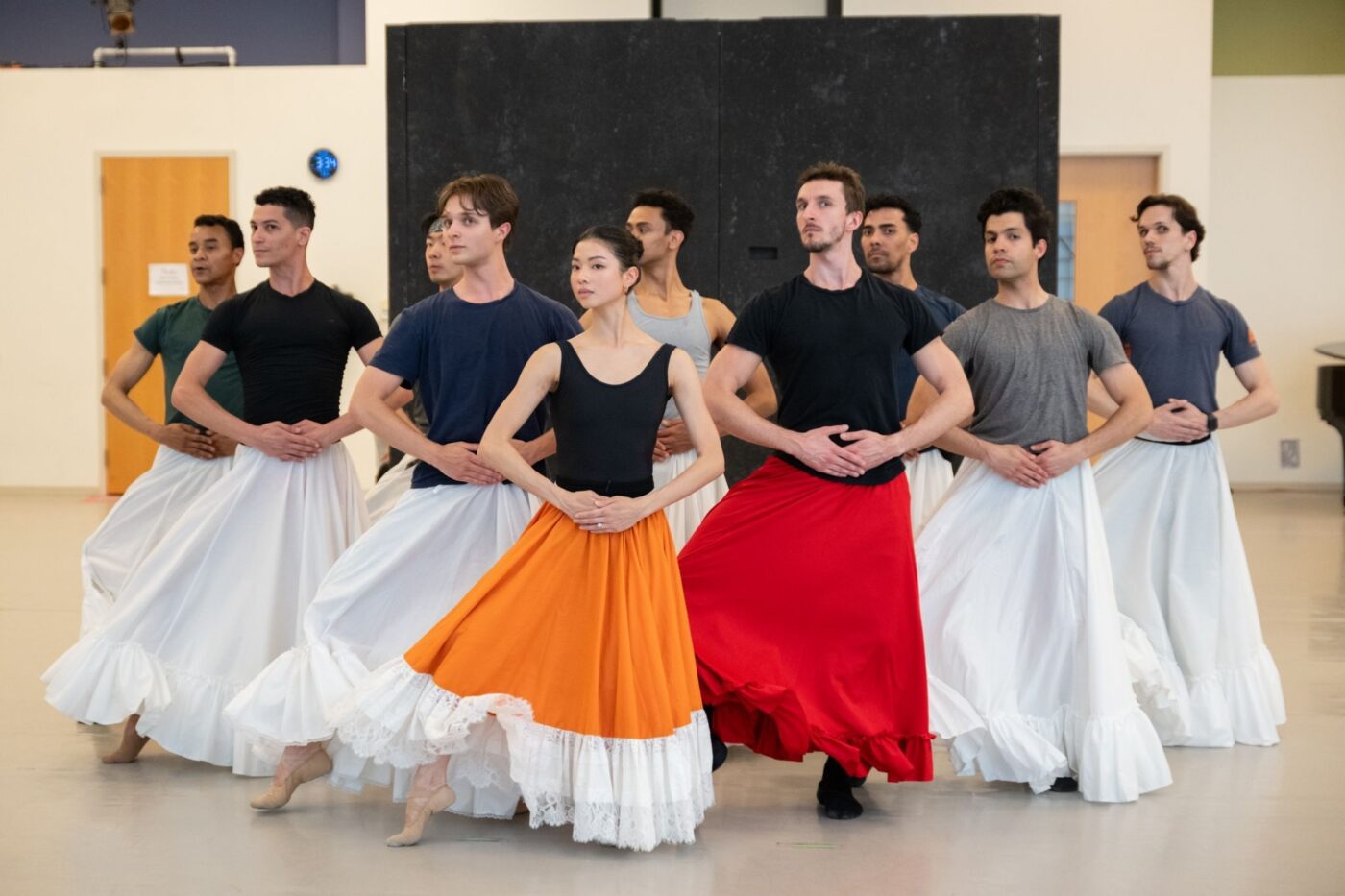
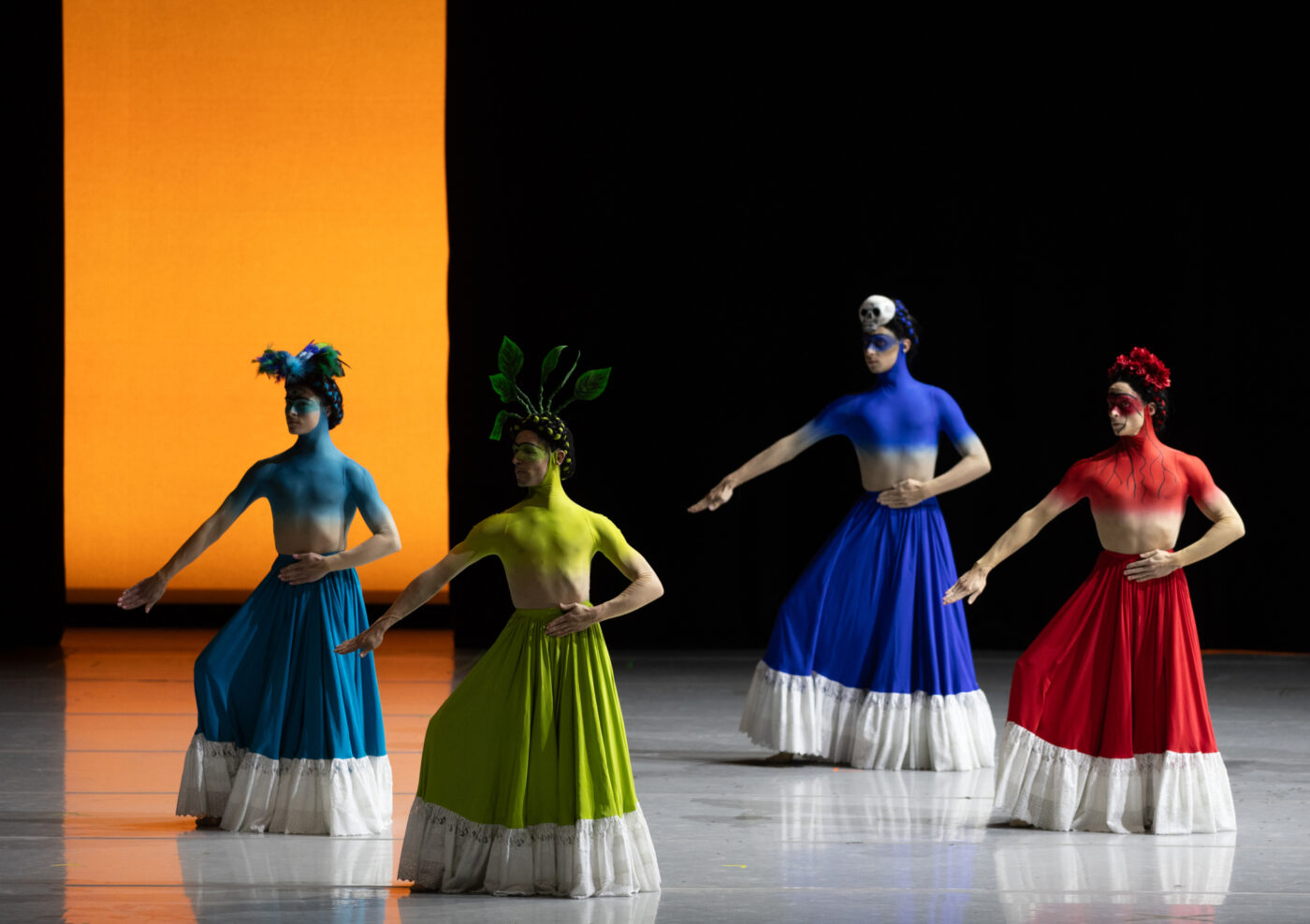
Our highly anticipated season finale is nearly upon us, with Annabelle Lopez Ochoa’s Frida set to captivate Atlanta. Among the most arresting visuals in Annabelle Lopez Ochoa’s Frida might be the dancers who inhabit the icon herself: the male members of our Company adorned in Frida Kahlo’s signature long, flowing skirts and intricate headpieces.
Every thread, accessory, and silhouette in this production has been meticulously chosen to tell a specific piece of Kahlo’s history. Each costume highlights a specific painting from Frida’s body of work—from The Broken Column to The Wounded Deer. However, stepping into these costumes is an athletic feat in itself.
Atlanta Ballet sat down with three of the enigmatic and stunning male Fridas, Santiago Bedoya, Jordan Leeper, and Guilherme Maciel.
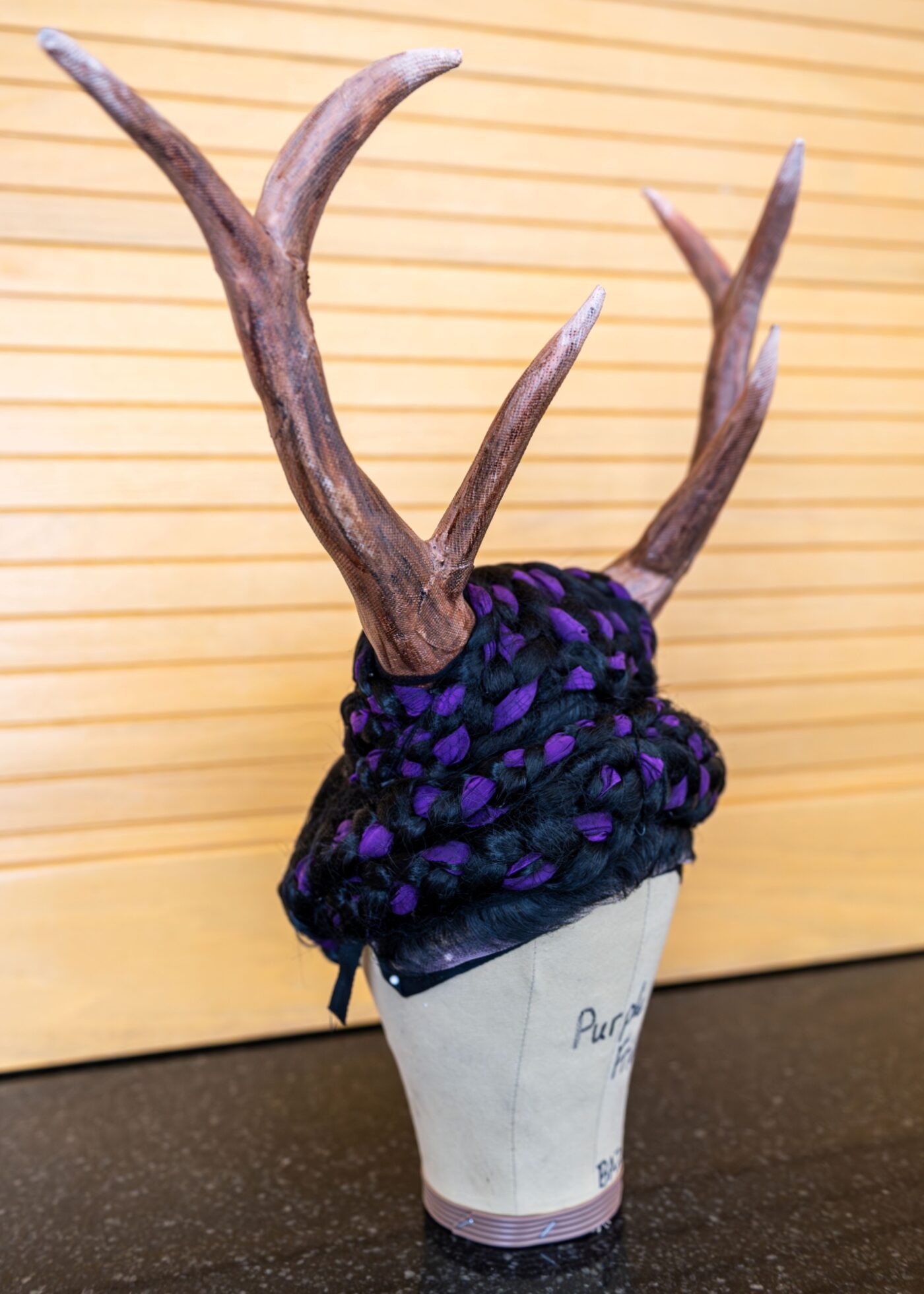
Each dancer shared their experience wearing the costumes, starting with the headpieces that acted as both crowning jewels and rigorous physical challenges. "I have the horns," says Company dancer Guilherme Maciel, who is the purple Frida. "I'm trying to be wider with the arms and not move the head as much, because I know that I'm not going to be able to move all the way."
Santiago Bedoya as the powder blue Frida, wears one of the most substantial pieces, the figure eight, notes, "I know that mine is the tallest. One bit of advice I received is that if one pin is bothering you, just make sure to put it right. Because we're going to spin and do solos, it's necessary to make sure it doesn't fall off."
Playing the green Frida, Leeper remarks, "Mine is the widest headpiece that branches out and has big leaves all the way around. I'm excited to get that on and see how much it's going to change the movement."
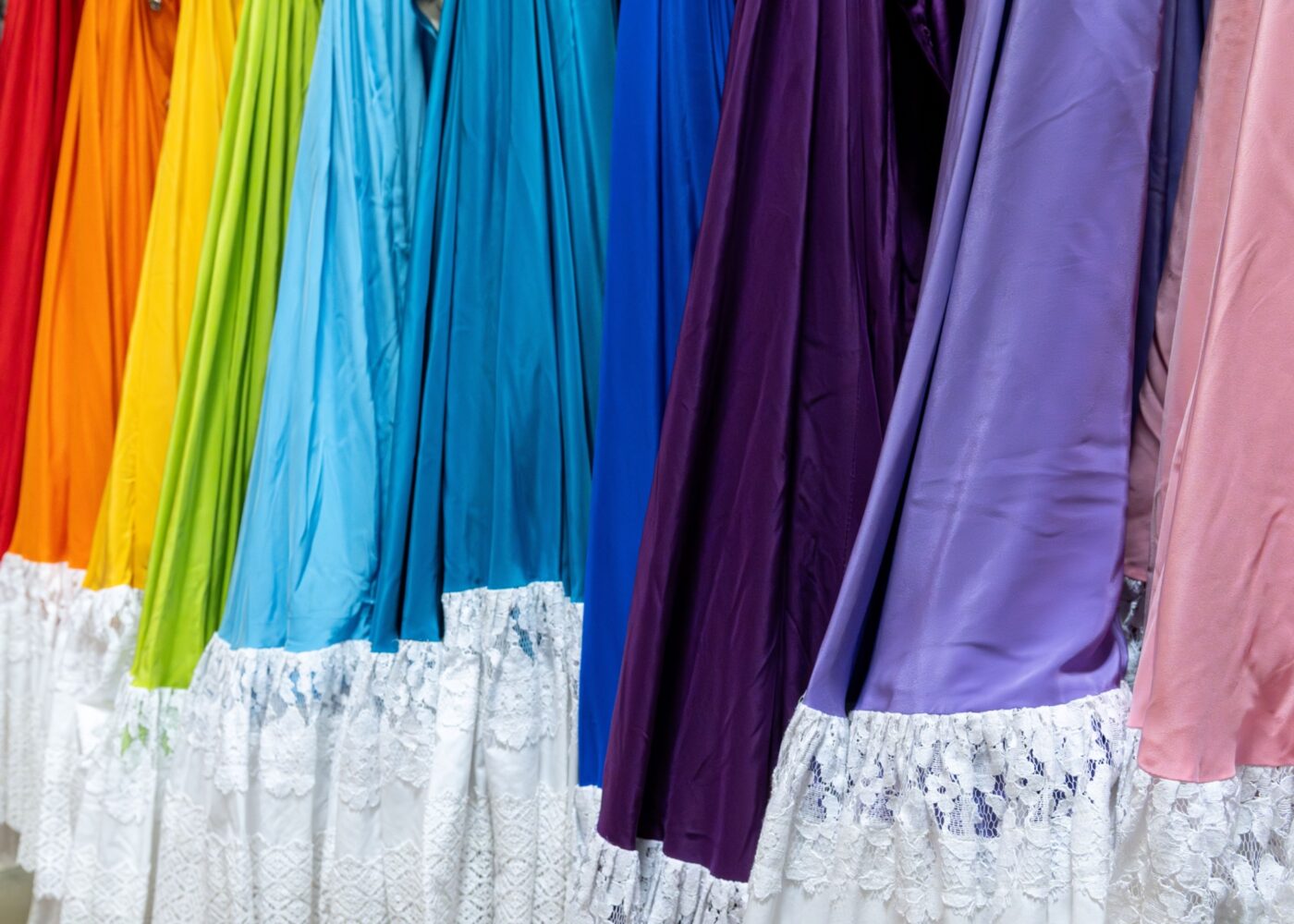
The Tehuana skirt, an iconic element of Frida’s wardrobe, was a profound statement of Mexicanidad and indigenous pride. Traditionally, ballet costuming is designed to showcase the dancer’s form and athleticism, but Frida represents a departure from this norm. Instead of traditional nylon or tulle, the Tehuana skirts in Frida are made of silk, a nod to one of the original materials they were crafted from. "When we turn, and I have a lot of turns, it feels like there is more power to it," says Maciel. "You have to manage that your body is going to stop, but the skirt is going to keep going."
Bedoya adds, "I realized how important it is to be more clear with the upper body. Even though the legs aren't always seen, the steps reflect in the big picture. It shows a certain shift in the whole core."
The process was one of trial and error, as the dancers navigated the challenges of dancing in garments designed for history, not just the studio. "I have to be really conscious of how wide my positions are," Leeper notes. "Throughout the process, I’ve stepped and ripped the skirt a few times. Sometimes, we have to kick it just to get it out of our way."
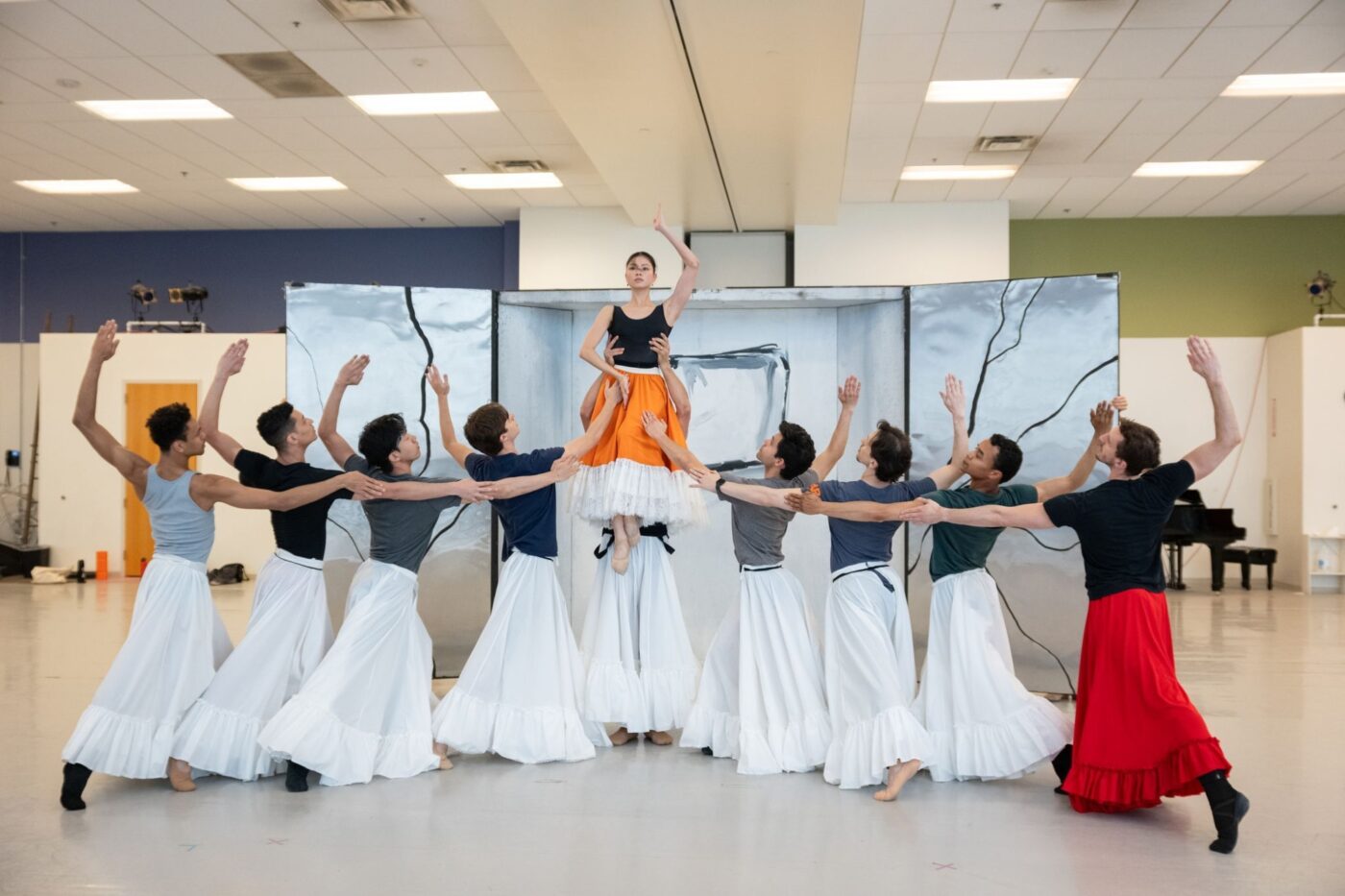
Annabelle Lopez Ochoa has since shared that the male Fridas were not only a nod to Frida Kahlo’s gender-expansive style but also a reflection of how her art grew to become something larger than life. The Atlanta Ballet dancers reflected on this aspect, as well. Leeper adds, "The male Fridas are very androgynous. We don’t really represent male or female; Frida was always 100% authentically herself, regardless of the crowd she was around. It’s really grounding to settle into both the femininity and the power that these characters possess."
Bedoya recalls, "Back when I was younger, seeing the girls in their skirts during rehearsals, I’d think how fun it looked. Now, in a professional company, I’m getting to wear something like that and to play with my feminine side, which we all have, and embrace it. It’s really special."
For many of our Company dancers, this production hits closer to home than a standard ballet repertoire. The music, the color palette, and the history have transformed the studio into a space of profound personal reflection. "I’m Brazilian, so this is very close to me," Maciel shares. "Trying on the costumes and hearing the music—even though Spanish isn't our first language in Brazil, it’s still very familiar. It feels like home. I didn’t realize how much I needed this at this time in my life."
Bedoya agrees, noting the significance of cultural representation in the professional ballet world. "We all want to be seen in different aspects. Being Hispanic and being in this environment, after moving away from home, to have something so amazingly crafted with these costumes and this music. It’s just amazing. I want to thank Annabelle for bringing this to life."
For others, the sheer energy of the production acts as a powerful catalyst. "It’s the vibrancy of the colors, the sets, and the music all coming together, "Leeper explains. "It puts a little extra fire inside of me, making me want to embody what she represents even more."
Atlanta Ballet invites you to witness this vibrant, passionate portrait of a legend. With artistry woven into every stitch, Frida
is a must-see production that demands to be experienced live. Join us for our stunning season finale at the Cobb Energy Centre, May 8–10, 2026.
Atlanta Ballet dancers in rehearsal for Frida. Photos by Shoccara Marcus.
Frida costumes and headpieces in the Atlanta Ballet Costume Shop. Photos by Amber Times.
Ballet Arizona dancers in Frida. Photo by Rosalie O'Connor. Courtesy of Ballet Arizona.