The Nutcracker: A Brief History
November 17, 2025
You may know the story of The Nutcracker, but do you know the history behind this beloved classic?
Today, The Nutcracker is an essential part of the holiday season, but did you know it almost wasn't called The Nutcracker? Or that there is a reason Marie is sometimes named Clara in certain adaptations? Or even that George Balanchine himself once played Drosselmeier on TV? This brief history of The Nutcracker explains the holiday tale’s 200+ year journey from a frightening bedtime story to cultural icon.
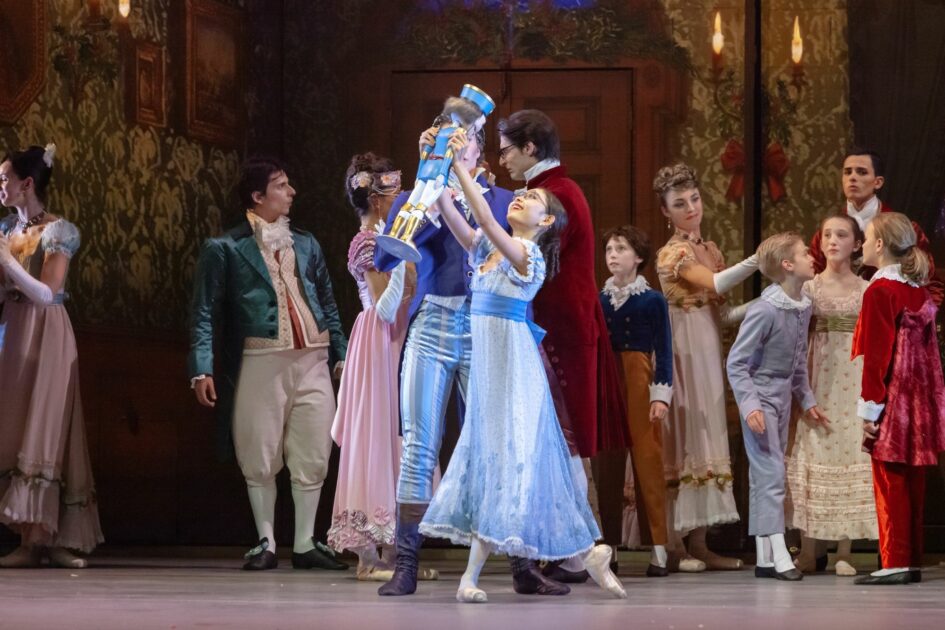
1816. E.T.A. Hoffmann writes the fairy tale The Nutcracker and the Mouse King, and like most of Hoffmann's tales, it's quite the strange and dark tale. The story centers on Marie Stahlbaum as she teeters between childhood and adulthood. After falling ill, Marie's Godfather the brilliant inventor, Judge Drosselmeier, tells her fantastical tales featuring his latest invention, the Nutcracker, who commands a toy soldier army against the the seven-headed mouse king.
1845. French writer Alexandre Dumas adapts Hoffmann’s work into The Story of a Nutcracker, a lighter take that would become the inspiration for the ballet. He renames the young girl ‘Clara’ after Marie’s cherished doll in the original and invents the role of the Sugar Plum Fairy.
1891. Pyotr Ilyich Tchaikovsky is commissioned by Ivan Vsevolozhsky, the director of the Imperial Mariinsky theatre, to compose a score for The Nutcracker, which turns out to be the last of Tchaikovsky’s three ballet scores after Swan Lake and The Sleeping Beauty. Vsevolozhsky chooses to dramatize the Dumas version of the tale and greatly simplifies the plot. Marius Petipa begins to choreograph the ballet but becomes ill before it is finished. Mariinsky ballet master Lev Ivanov completes the choreography.
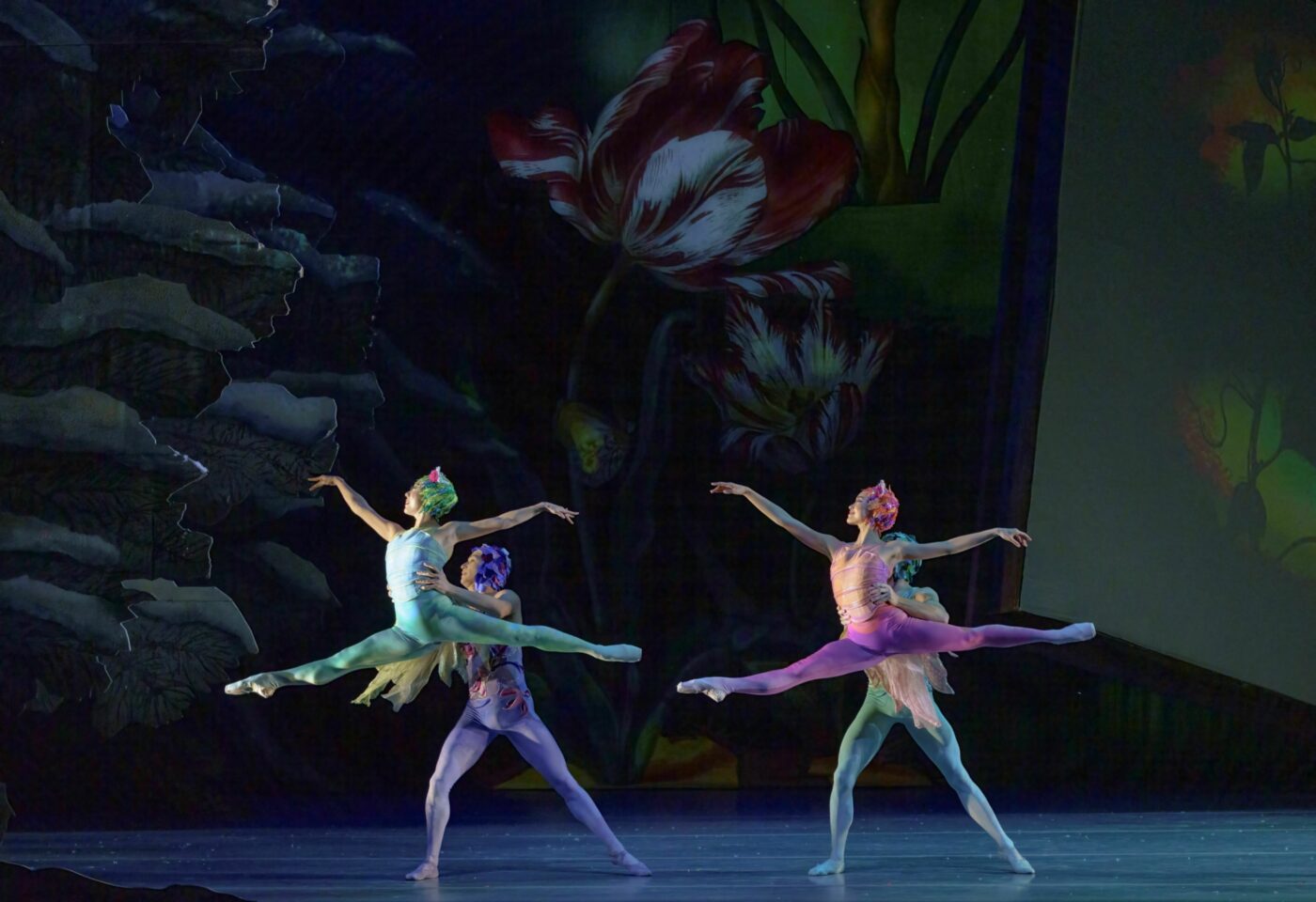
1892. The Nutcracker premieres at the Imperial Mariinsky theater in St. Petersburg, Russia. Though selections from the score were well-received in concert a few months earlier, the production was criticized for featuring of children so prominently in the ballet, so they were removed from the remaining performances.
1893. Tchaikovsky dies without knowing what a success his holiday score would become. In the end, The Nutcracker became one of his most famous composition suites.
1927. The Nutcracker premieres outside of Russia for the first time in an abridged version choreographed by Ede Brada in Budapest.
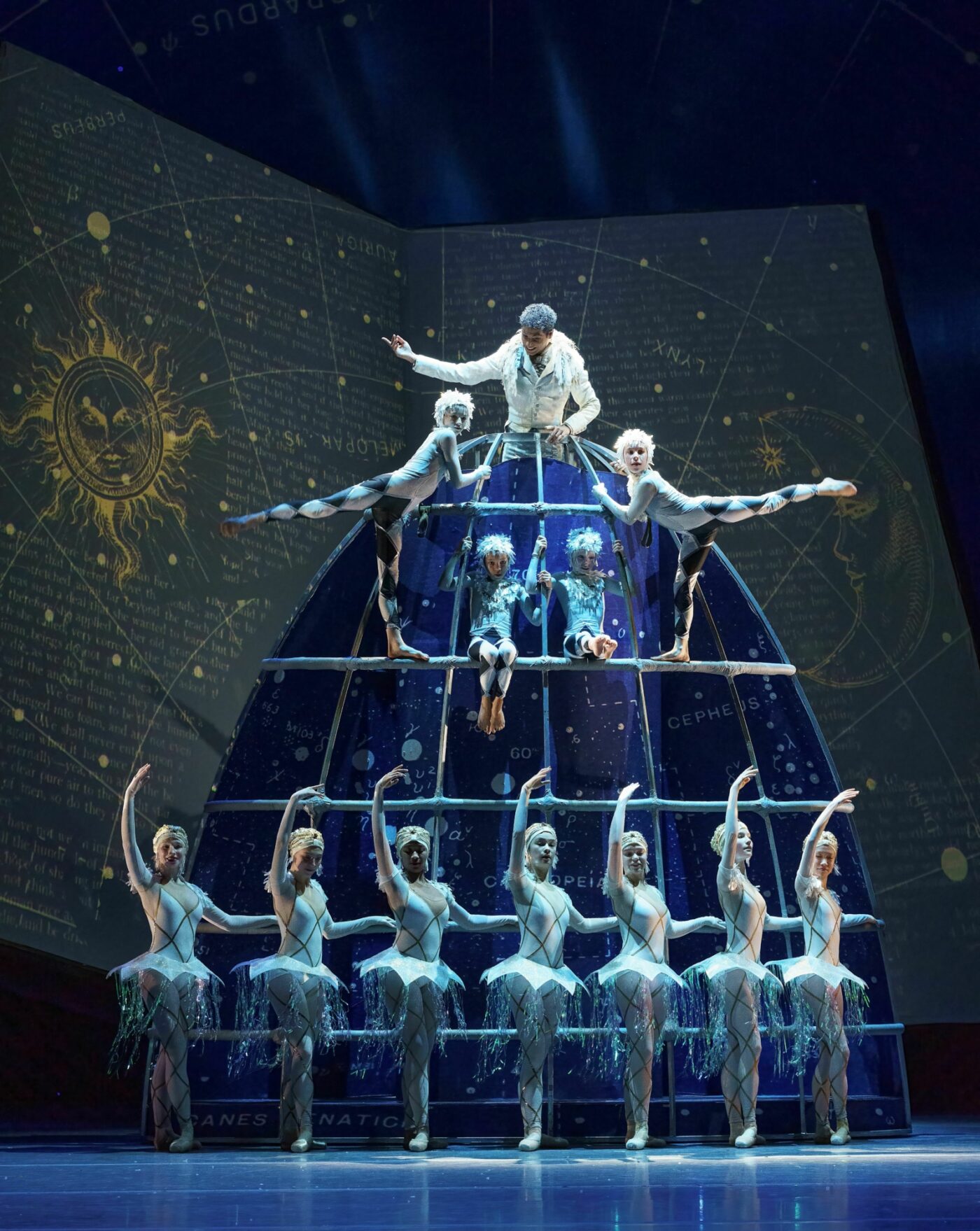
1940. Walt Disney’s animated movie Fantasia brings Tchaikovsky’s score to American audiences, helping American audiences fall in love with Tchaikovsky's music. In the same year, the Ballet Russe de Monte Carlo tours the United States with an abridged version of The Nutcracker. The performances are well-received, and the Ballet continues to dance its abbreviated Nutcracker in the U.S. for the next decade.
1954. George Balanchine, now head of the New York City Ballet, choreographs his own version, featuring many dance quotations from the Mariinsky original. Balanchine has the then New York State Theater’s stage specially constructed to accommodate the tree, which grows from 18 to 41 feet and weighs 2,200 pounds! Balanchine leans into the ballet's almost-title The Christmas Tree, but under budget constraints, Balanchine was asked to edit out the dramatic growing tree from his new production. He refuses, saying, “No, ballet is the tree.” The show—Balanchine’s first full-length production for the company—is an instant sensation.
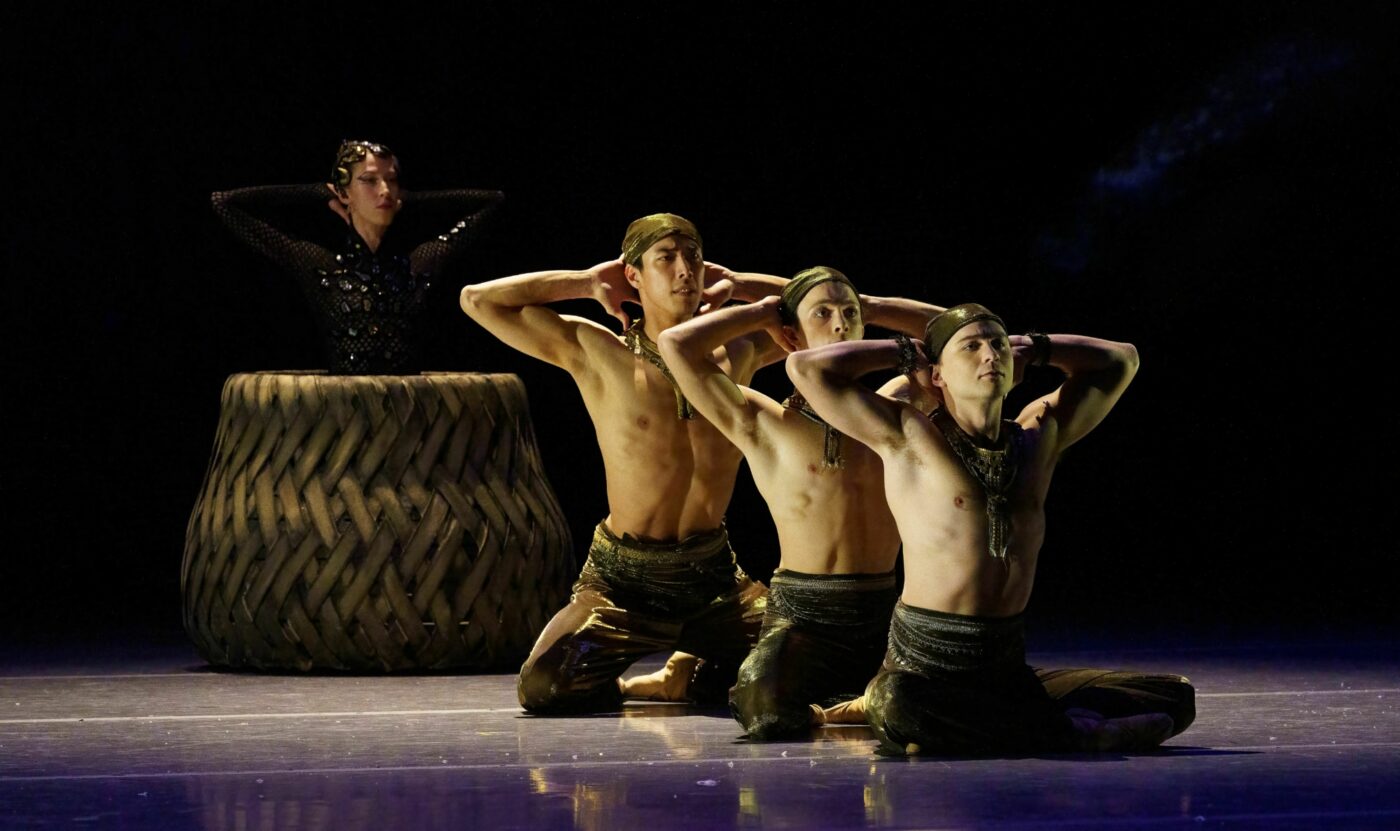
1958. CBS airs Balanchine’s Nutcracker on national television. Balanchine himself plays Drosselmeier, as the television coverage exposes an even wider audience to this irresistible show.
1960. Popular music embraces the iconic ballet. Duke Ellington and Billy Strayhorn compose jazz interpretations of pieces from Tchaikovsky’s score, recorded and released on LP as The Nutcracker Suite. That same year, Shorty Rogers releases The Swingin’ Nutcracker, featuring his own interpretations of selections from Tchaikovsky’s score.
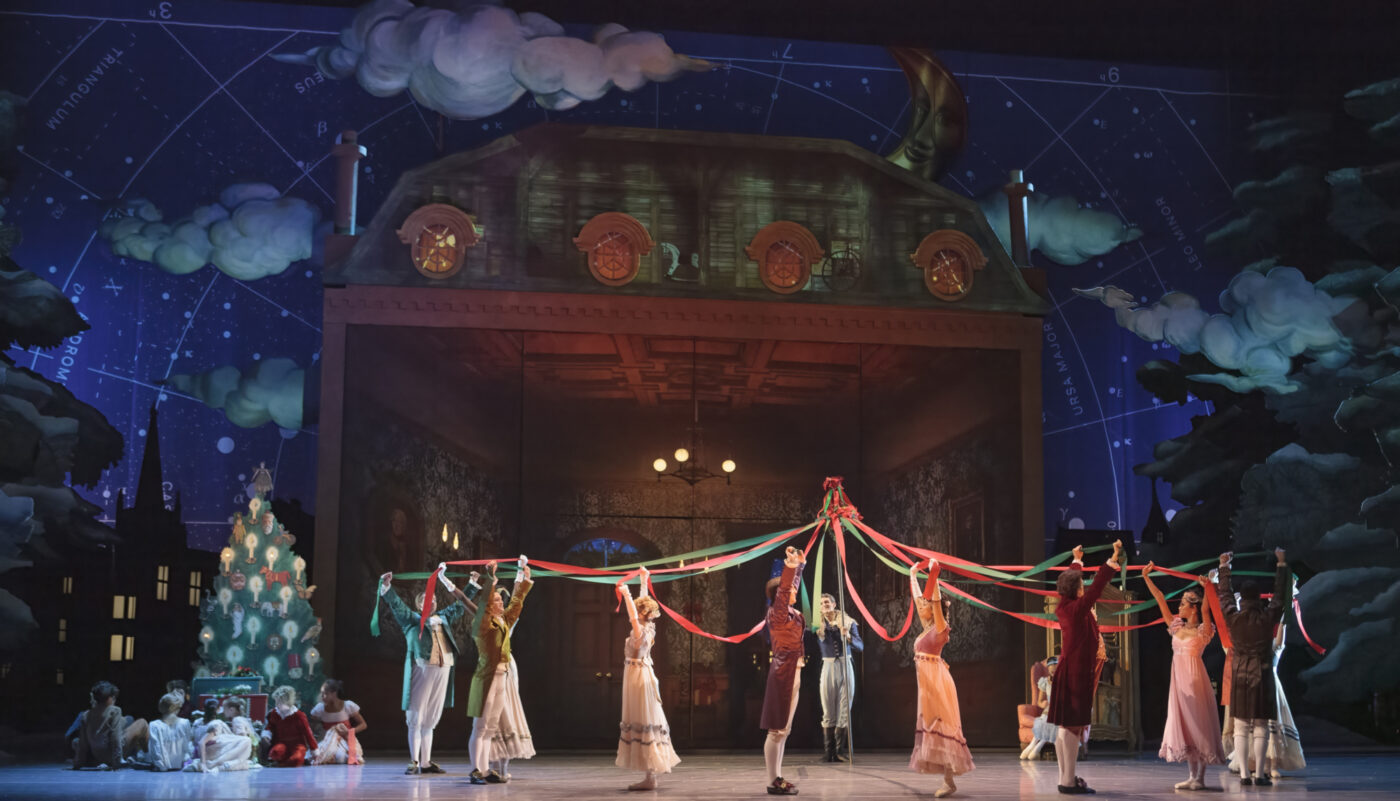
Since then, dance companies around the world have made their own unique adaptations of The Nutcracker, incorporating styles ranging from hula dancing to hip hop, and including themes like cowboys, mad scientists, and stormtroopers! Here’s a brief overview of the history of Atlanta Ballet’s The Nutcracker.
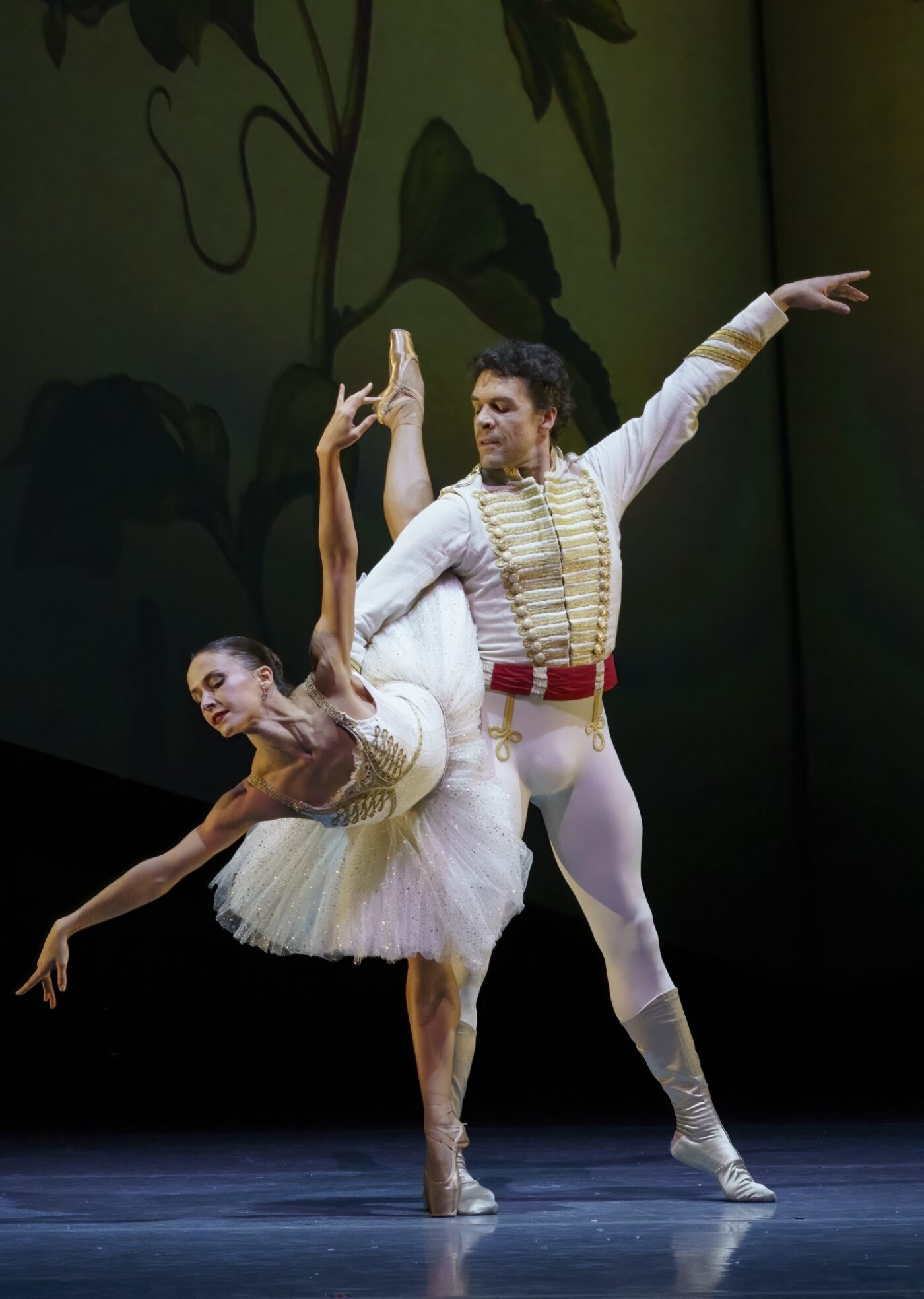
1959. Artistic Director Robert Barnett receives permission from George Balanchine for the Atlanta Civic Ballet, as Atlanta Ballet was then called, to use his choreography for The Nutcracker. Atlanta Civic Ballet was the only regional company to perform the New York City Ballet’s signature piece, The Nutcracker, at the time.
2009. Atlanta Ballet celebrates 50 years of The Nutcracker.
2018. Artistic Director Gennadi Nedvigin invites San Francisco Choreographer-in-Residence Yuri Possokhov to create a new version of The Nutcracker for Atlanta Ballet. This innovative two-act ballet pulls in elements from the original E.T.A. Hoffmann’s 1816 story, The Nutcracker and the Mouse King, and uses elaborately crafted scenery with advanced techniques in lighting and video projection to enhance the story’s magic.
Atlanta Ballet continues the holiday tradition of The Nutcracker as a holiday spectacle performed live with the Atlanta Ballet Orchestra. Purchase tickets today and discover for yourself the magic of The Nutcracker.
Images: Atlanta Ballet dancers, Atlanta Ballet 2 dancers, and Atlanta Ballet Centre for Dance Education students. Photos by Kim Kenney.